
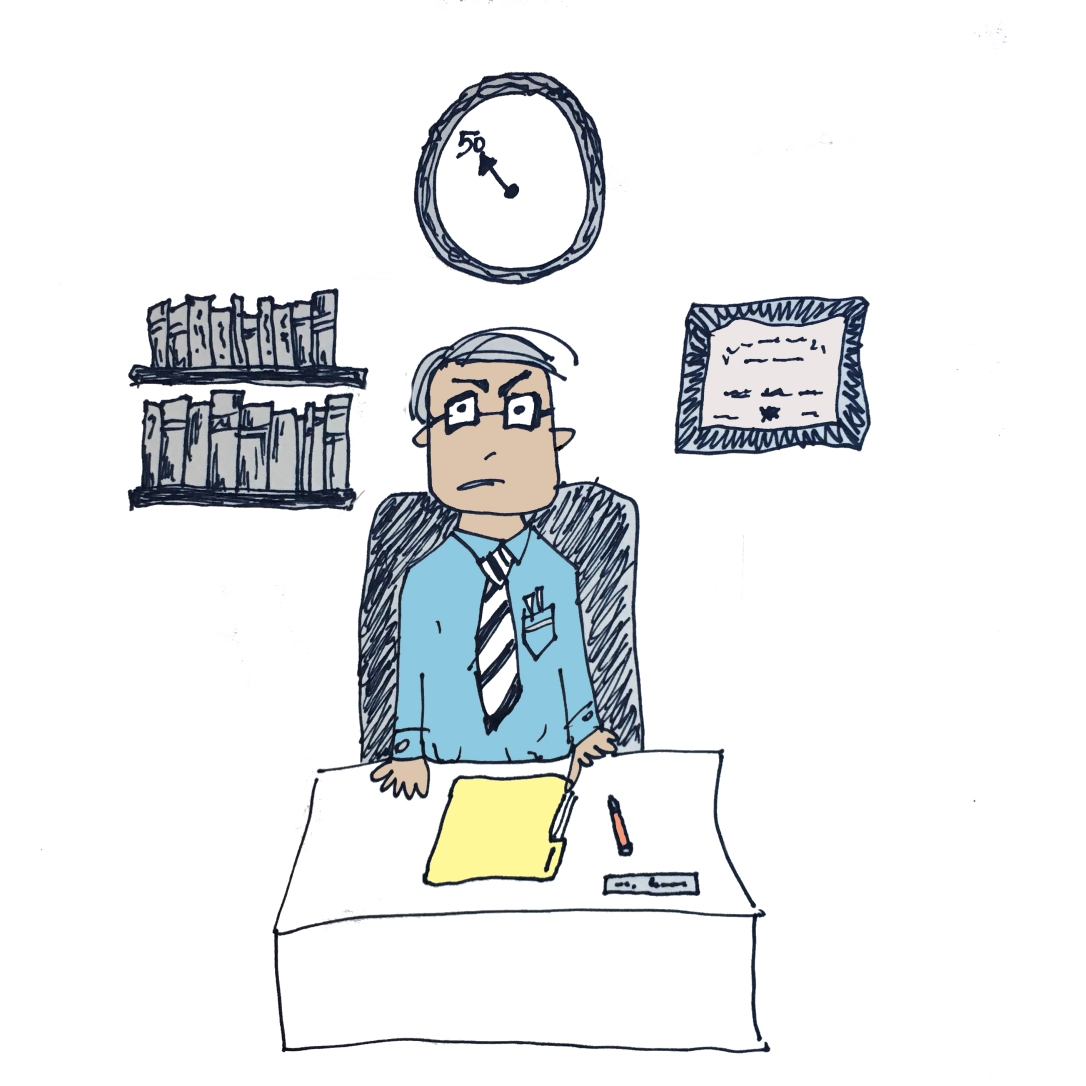
 So, who prescribed your medicines in 1994?
This comes from the new MD who takes my insurance. He pecks away at his keyboard, periodically peering over his laptop’s lid. I ask, “Wasn’t this information in the online intake forms I sent last week?” But what I also want to ask is, “Why does it even matter? The guy was old then. He’s probably dead by now.” Why is this detail even relevant, 24 years later? He continues with his data entry.
And what exactly is Narrative Medicine?
I love when doctors ask this question, especially the ones who can’t seem to maintain eye contact.
Since I started taking classes in Columbia’s MS Program in Narrative Medicine, I have had to answer this question hundreds of times. How I respond usually depends on who is asking. I usually say, “It’s a relatively new discipline that uses the tools of literary analysis to improve the quality of patient care.”
If the other person’s eyes haven’t completely glazed over at that point, I might continue with its origin story: Dr. Rita Charon, then an internist working in a community clinic, felt frustrated with the impersonal nature of the traditional patient encounter. She approached Columbia’s English department to learn how to better attend to and understand the stories of her patients. She stuck around (earning a PhD in the process) and learned to begin her appointments with an open-ended query like “What do you think I should know about you?” She would write and review her clinical notes with her patients, offering them the opportunity to revise the narrative to correct errors or insert omitted details. Considering that the average physician can only last 11 seconds into a visit before interrupting a patient, this approach was revolutionary.
But when a new doctor asks me about Narrative Medicine, I feel like my answer is a challenge: I study how doctors should treat patients. I believe that the story of embodied experience, told by the person living with illness, is more important than the forms on your computer. In other words: watch it; this woman is taking notes. Look up from your screen long enough to see me.
I anticipate his next question: What does this have to do with you? You’re not a doctor. Yes, but I am a person with a body and I am tired of being interrupted after 11 seconds. I am also a recovering high school English teacher, so it makes sense that I would be drawn to literature, philosophy, anthropology, sociology, and the narratives of patients, clinicians, and caregivers. In addition to reading, we look at paintings. We listen to spoken word poetry. We slow down, and we examine everything.
My response causes a subtle but palpable shift in the power dynamic in the room, and I feel like I am in that episode of Portlandia where two friends show off by book-shaming and one-upping each other: (Did you read this? Did you read that? Did you read the article in the New Yorker? Did you read the editorial in the New York Times? Did you read the classifieds? Did you read the menu?). He quizzes me on my knowledge of psychiatry, and I pass. I get the feeling he’s going to be looking up a few books after I leave.
When should my therapist call you? I ask.
Anytime, day or night. I begin to think he’s really dedicated. Until he ruins it: All times are equally bad.
Though this doctor is far from perfect, he’s a huge improvement over the last one I tried, so I’ll keep him (at least for now) to keep my refills coming.
 this gruntled worker